

+86-13567973388


Cos'è un bracciolo regolabile 3D e come migliora effettivamente la postura seduta?
Nell'era moderna del lavoro sedentario prolungato, l'interfaccia meccanica tra il corpo umano e i mobili da ufficio è diventata un punto focale della salute ortopedica. Tra questi componenti, il Bracciolo regolabile 3D si distingue come uno strumento ergonomico fondamentale. Anji Xielong Furniture Co., Ltd., specialista nella ricerca e sviluppo e nella produzione di Bracciolo regolabile 3D sistemi, capisce che il vero comfort è progettato attraverso la precisione. Questa guida esplora la biomeccanica della regolabilità 3D e il suo ruolo nel favorire una postura seduta neutra.
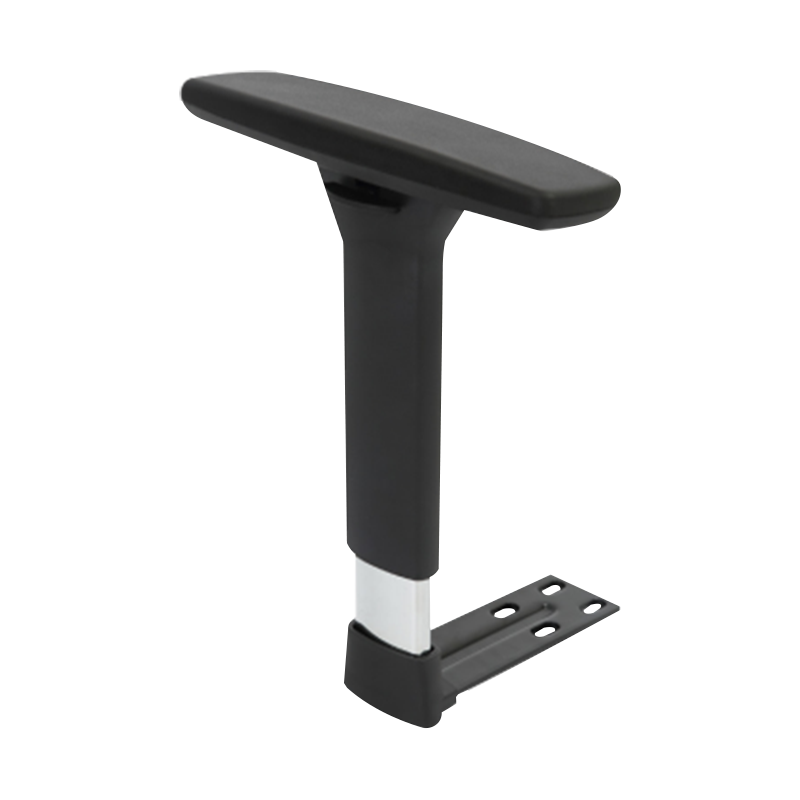
La definizione meccanica: comprendere il "3D" nei braccioli
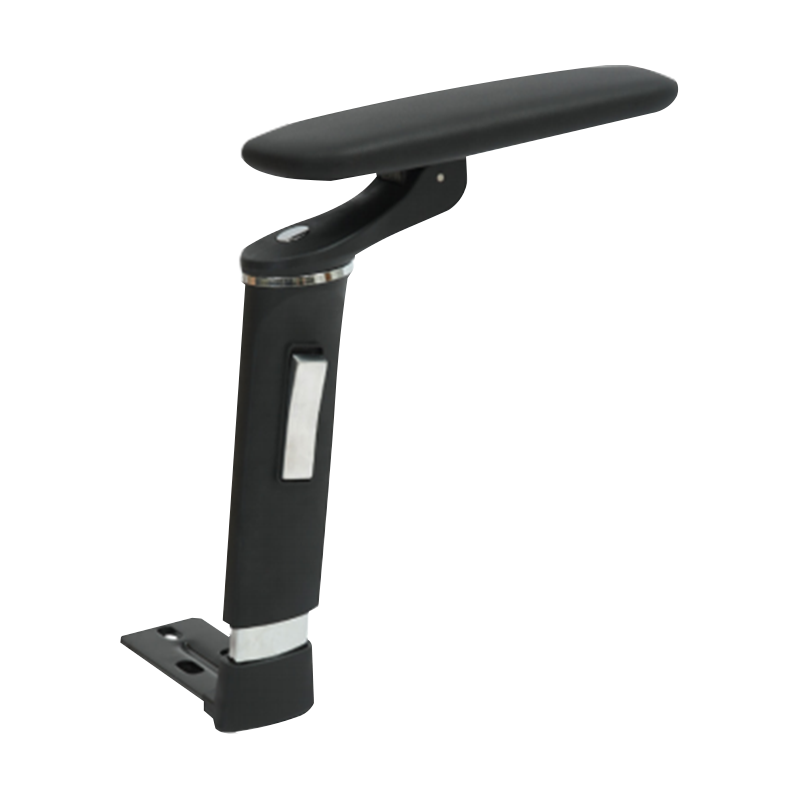
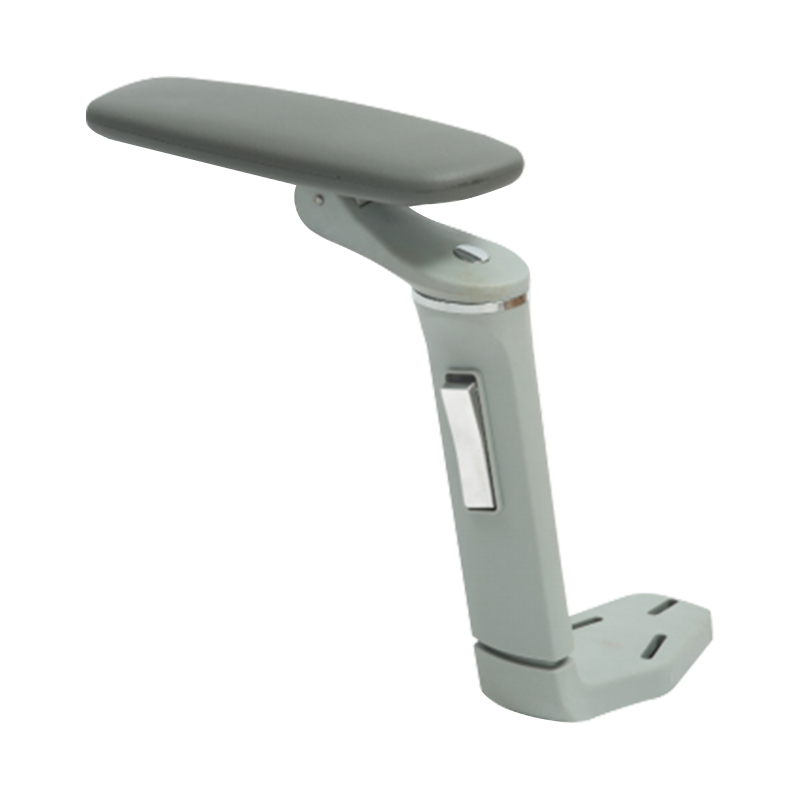
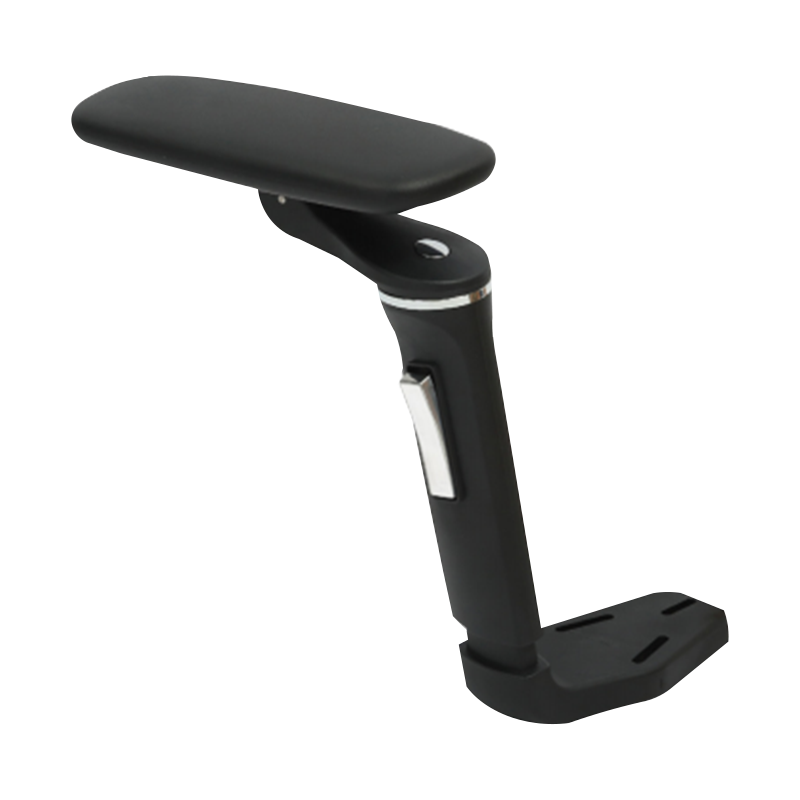
Quando gli ingegneri discutono di a Bracciolo regolabile 3D , si riferiscono a tre distinti gradi di libertà. A differenza dei supporti di base, Differenze dei braccioli 3D vs 4D giacciono nei piani specifici di movimento. Un sistema 3D offre in genere la regolazione dell'altezza, la regolazione della profondità (avanti/indietro) e la rotazione angolare (perno). Questa flessibilità è vitale per regolazione dei braccioli della sedia da ufficio per la digitazione , dove i gomiti devono rimanere vicini al busto per ridurre il carico sul muscolo trapezio.
Confronto dei livelli funzionali del bracciolo
- Braccioli fissi: Forniscono zero adattabilità, spesso costringendo l'utente a inclinarsi o ingobbirsi.
- Braccioli 2D: Solitamente limitato ad altezza e larghezza, privo di controllo della profondità.
- Braccioli 3D: Fornire il miglior bracciolo 3D per la prevenzione del tunnel carpale allineando esattamente l'avambraccio all'altezza della scrivania.
| Piano di regolazione | Vantaggio funzionale | Impatto sulla postura |
| Verticale (altezza) | Si allinea con la superficie della scrivania | Riduce l'alzata delle spalle |
| Orizzontale (profondità) | Supporta gli avambracci vicino al corpo | Previene l'inclinazione/il piegamento in avanti |
| Rotazionale (perno) | Si adatta agli angoli di digitazione a forma di "V". | Riduce al minimo la deviazione del polso |
Come la regolabilità 3D corregge la postura seduta
Il motivo principale per perché la tua sedia da ufficio ha bisogno di braccioli regolabili è quello di mitigare il "carico statico" sulla parte superiore del corpo. Senza supporto, il peso delle braccia grava sul collo e sulle spalle. Utilizzando Vantaggi del bracciolo della sedia ergonomica , l'utente può raggiungere un angolo del gomito di 90 gradi, che è il gold standard per l'allineamento della colonna vertebrale. Questo supporto specifico è una chiave soluzione per il dolore alla spalla causato dalle sedie da ufficio , poiché trasferisce il peso degli arti sul telaio della sedia anziché sui muscoli del collo.
Sequenze di correzione posturale
- Passaggio 1: La regolazione dell'altezza garantisce che le spalle rimangano rilassate e "cadute".
- Passaggio 2: La regolazione della profondità consente all'utente di sedersi in profondità sulla sedia pur sostenendo le braccia.
- Passaggio 3: Ruotando il Bracciolo regolabile 3D verso l'interno sostiene i polsi durante l'uso della tastiera.
Specifiche Tecniche: Qualità e Scienza dei Materiali
Ad Anji Xielong Furniture Co., Ltd., diamo priorità a Qualità dei materiali del bracciolo regolabile 3D . Utilizziamo imbottitura in PU ad alta resistenza e meccanismi interni rinforzati per garantire transizioni fluide tra le posizioni. Quando sostituzione dei braccioli delle sedie da ufficio con versioni 3D , il bloccaggio meccanico deve essere sicuro per evitare "derivazioni" durante l'uso intenso. Il nostro team di ricerca e sviluppo lo garantisce Braccioli 3D resistenti per sedie da gioco e le sedute da ufficio soddisfano rigorosi standard di portanza pur mantenendo una superficie morbida al tatto.
Confronto sulla longevità dei materiali
Sebbene i braccioli in plastica siano economici, non hanno l'attrito e il comfort delle unità 3D con rivestimento in PU. Pulizia e manutenzione dei braccioli 3D realizzato in PU di alta qualità è anche notevolmente più semplice, garantendo uno spazio di lavoro igienico per anni di servizio.
| Componente | Bracciolo in plastica standard | Bracciolo 3D di alta qualità Xielong |
| Tattilità superficiale | Duro, potenzialmente abrasivo | PU morbido al tatto (allevia la pressione) |
| Durata del meccanismo | Tende ad attaccarsi o a sbattere | Piste di scorrimento progettate con precisione |
| Comodità dell'utente | Basso (statico) | Alto (adattabilità dinamica) |
Conclusione: un vantaggio per la salute e la produttività
Il Bracciolo regolabile 3D non è un lusso ma un requisito fondamentale per la moderna postazione di lavoro ergonomica. Comprendendo come fissare l'altezza del bracciolo per la postura e sfruttando il movimento multiasse dei sistemi 3D, gli utenti possono ridurre significativamente il rischio di lesioni da sforzi ripetitivi. Anji Xielong Furniture continua a dedicarsi alla "Qualità prima di tutto", fornendo al settore dell'arredamento gli accessori avanzati necessari per creare una situazione vantaggiosa per la salute e il comfort.
Domande frequenti (FAQ)
1. I braccioli 3D possono aiutare con il mal di schiena?
Indirettamente sì. Sostenendo adeguatamente le braccia, a Bracciolo regolabile 3D ti impedisce di sporgerti in avanti, il che aiuta a mantenere la naturale curva a "S" della colonna vertebrale e riduce lo sforzo sulla parte bassa della schiena.
2. Un bracciolo 3D è compatibile con qualsiasi sedia da ufficio?
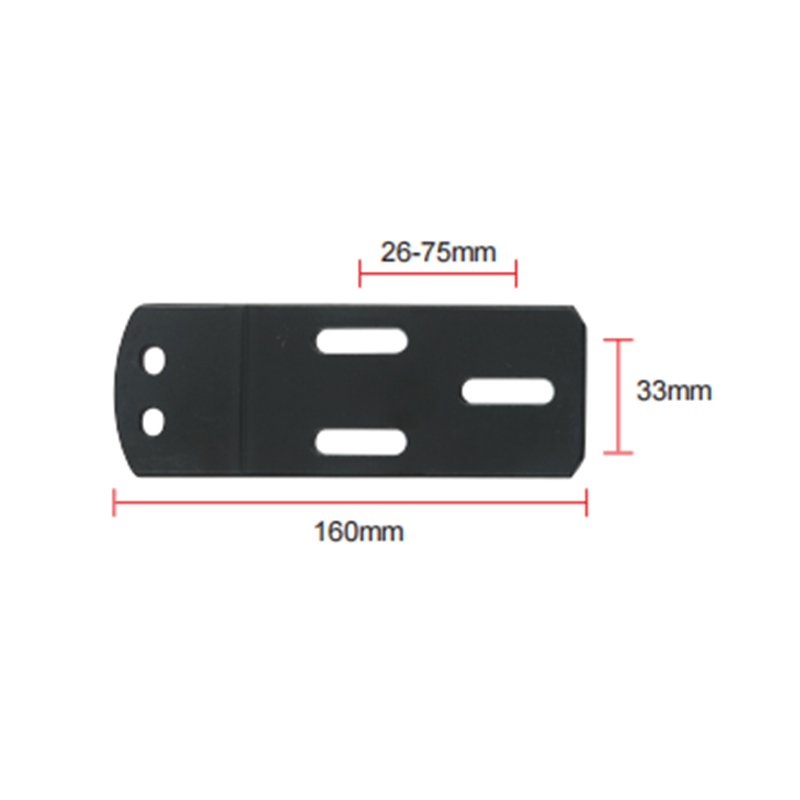
Molti braccioli regolabili per sedie da ufficio utilizzare schemi di montaggio standard. Tuttavia, dovresti controllare prima la spaziatura dei bulloni sostituzione dei braccioli delle sedie da ufficio con versioni 3D .
3. Qual è l'altezza ideale dei miei braccioli?
I braccioli dovrebbero essere ad un'altezza in cui le spalle sono rilassate e i gomiti sono piegati con un angolo di circa 90 gradi, allo stesso livello della tastiera o della superficie della scrivania.
4. In che modo la funzione pivot migliora l'ergonomia?
Il pivot function allows the armrests to turn inward, supporting your forearms while your hands are positioned together on a keyboard, reducing wrist strain.
5. Perché scegliere l'imbottitura in PU invece della plastica dura?
Imbottitura in PU di alta qualità in a Bracciolo regolabile 3D fornisce sollievo dalla pressione per il nervo ulnare del gomito, prevenendo la sensazione di "spilli e aghi" spesso causata da superfici dure.
Riferimenti del settore
- BIFMA G1-2013: Linee guida sull'ergonomia per i mobili utilizzati negli spazi di lavoro d'ufficio.
- ISO 9241-5: Requisiti ergonomici per il lavoro d'ufficio con terminali di visualizzazione (VDT).
- "L'effetto del supporto del bracciolo sull'attività muscolare", Journal of Electromyography and Kinesiology.
- Web sull'ergonomia della Cornell University: linee guida per la scelta di una sedia ergonomica.


 Sentiti libero di contattarci

- Link veloci del prodotto
- Presidente dell'ufficio bracciolo
- Piastra in acciaio hardware
- Superficie PU poliuretano
- Ruote
- Informazioni sui contatti
- Tangpu Industrial Park, Anji County, Huzhou City, Provincia di Zhejiang, Cina
- [email protected]
- +86-13567973388

